
Elevating Your Game: Strategies for Successful Sports Broadcasting
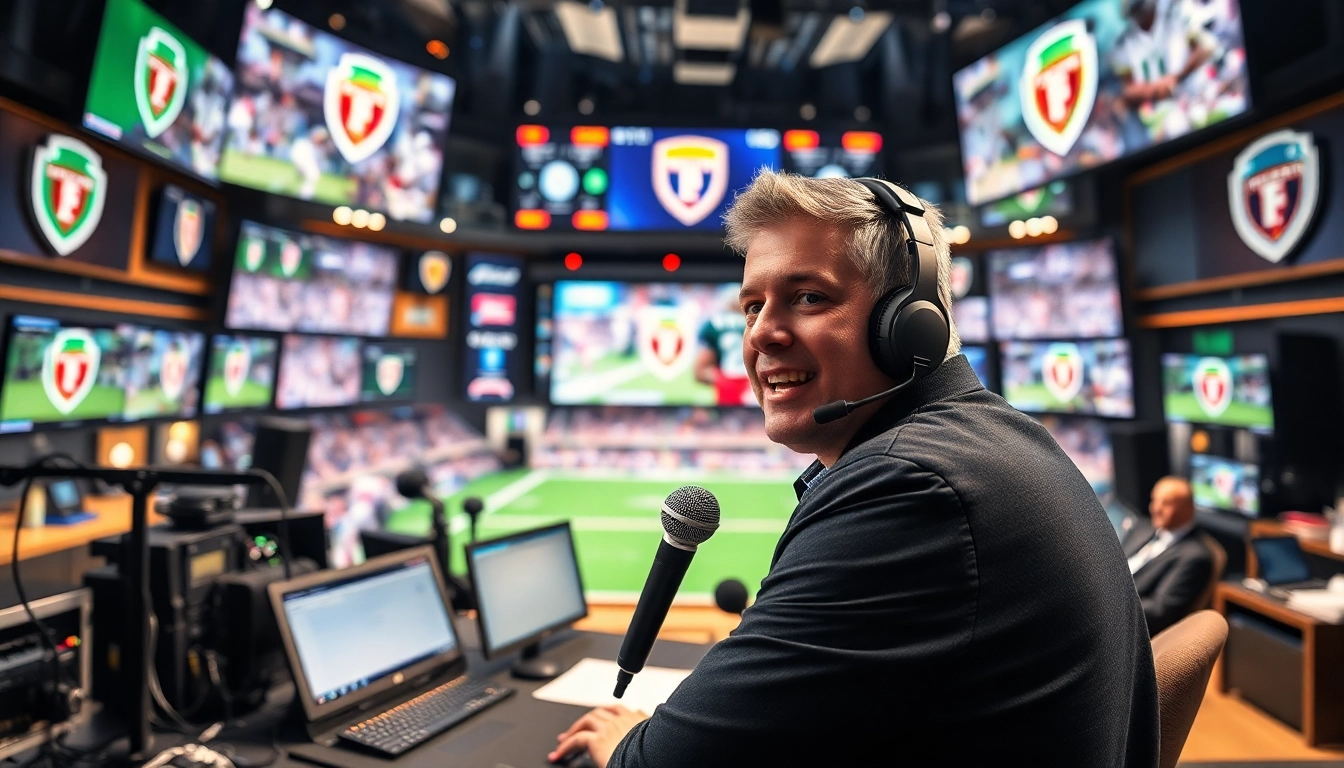
Understanding Sports Broadcasting Basics
What is Sports Broadcasting?
Sports broadcasting refers to the live transmission of sporting events and analysis via television, radio, or online platforms. It encompasses a range of activities, including the commentary during the game, pre- and post-game shows, and analysis of plays and player performances. This dynamic field combines entertainment, journalism, and sports marketing, appealing to fans who crave access to their favorite games and teams. As technology evolves, so does the landscape of Sports Broadcasting, presenting new opportunities and platforms for engagement.
The Evolution of Sports Broadcasting
The journey of sports broadcasting began in the early 20th century with radio broadcasts, gradually transitioning to television in the 1950s. Key milestones include the introduction of televised events like the Olympics and the Super Bowl, which brought sports into the living rooms of millions. Over the decades, advancements in technology have transformed how events are produced and consumed. Today, digital platforms and social media have further revolutionized the field, offering fans personalized and interactive viewing experiences.
Key Terminology in Sports Broadcasting
- Play-by-Play: The live commentary that describes the action as it happens.
- Color Commentary: Analysis and insights provided by a commentator who enhances the basic play-by-play.
- Analyst: A commentator with a deep understanding of the sport, often offering a tactical perspective.
- Cue: A signal or prompt for the broadcasters to provide commentary or switch scenes.
- Broadcast Rights: The legal agreements that allow networks to air specific sporting events.
Technical Aspects of Sports Broadcasting
Essential Equipment for Sports Broadcasting
High-quality sports broadcasting relies on a range of essential equipment to deliver a polished final product. Key components include:
- Cameras: Multi-camera setups capture different angles and close-ups of the action, enhancing viewer engagement.
- Microphones: High-quality audio gear is crucial, especially for capturing commentary, crowd sounds, and on-field microphones.
- Switchers: These devices allow broadcasters to switch between multiple video feeds in real time.
- Graphics Systems: On-screen graphics enhance storytelling with stats, scores, and player information.
- Editing Software: Post-production tools assist with highlight reels and pre- and post-game analysis.
Live Streaming vs. Traditional Broadcasting
Live streaming has emerged as a formidable alternative to traditional broadcasting, offering on-demand content and accessibility. Traditional broadcasting relies on preset schedules and formatted programming, while live streaming allows for flexibility and interaction. Sports organizations can reach global audiences instantly, resulting in more personalized viewing experiences. However, traditional broadcasters provide established credibility and extensive resources, which can be advantageous for major events.
Audio and Visual Quality Standards
The quality of audio and visual output is paramount in sports broadcasting. High-definition (HD) video is now standard, enhancing the viewing experience with clearer imagery. Audio quality is equally important; clear commentary and immersive soundscapes can make audiences feel as if they are part of the event. Broadcasters should constantly evaluate their technology to ensure they meet or exceed current industry standards, as audiences increasingly expect nothing less than the best.
Skills Required for a Career in Sports Broadcasting
Communication Skills for Broadcasters
Effective communication is the cornerstone of successful sports broadcasting. Broadcasters must articulate thoughts clearly and engagingly to keep audiences informed and entertained. This skill encompasses not just verbal communication but also non-verbal cues and body language, which can enhance the delivery of on-air personalities. Practicing active listening and adapting to various situations can improve delivery during fast-paced events.
Research and Preparation Techniques
Preparation is vital for broadcasters, who must stay ahead of game developments, player statistics, and team news. Conducting thorough research ensures that analysts and commentators provide relevant, insightful information during broadcasts. Techniques may include creating notes, forming player profiles, and analyzing past performances. Familiarity with the sport’s history and current trends is essential for providing context to viewers.
Interviewing Skills for Sports Personalities
Interviews are a significant part of sports broadcasting, offering insights directly from players, coaches, and experts. Effective interviewing entails crafting thoughtful questions that elicit informative responses, maintaining a comfortable atmosphere, and being adaptable to the discussion’s flow. Building rapport with interviewees can lead to more engaging and revealing conversations, enhancing the overall broadcast quality.
Building an Audience in Sports Broadcasting
Identifying Your Target Audience
Understanding your audience is crucial for any sports broadcaster striving for success. Broadcasters should analyze demographics, viewing preferences, and engagement patterns to tailor their content effectively. Techniques may include surveys, social media interactions, and analyzing viewership data to refine programming and enhance viewer loyalty.
Effective Social Media Strategies
Social media platforms are vital for promoting broadcasts and engaging with audiences before, during, and after events. Creating shareable content, engaging in timely conversations, and responding to audience feedback help broadcasters build a community around their brand. Regular updates and exclusive behind-the-scenes content can enhance brand presence and foster a loyal following.
Engagement Techniques for Viewers
Engagement beyond the broadcast is essential for building a lasting audience. Broadcasters can employ various techniques such as interactive polls, question-and-answer sessions, and giveaways during live streams. Encouraging audience participation through questions or real-time feedback fosters a more inclusive environment and helps retain viewer interest.
Performance Metrics in Sports Broadcasting
Key Performance Indicators for Success
Measuring success in sports broadcasting requires a clear understanding of key performance indicators (KPIs). Metrics such as viewership numbers, audience retention rates, and social media engagement all play significant roles in assessing a broadcast’s effectiveness. Consistently evaluating these indicators helps broadcasters refine their strategies and improve overall performance.
Analyzing Viewing Trends
Understanding viewing trends is fundamental for maximizing audience engagement and satisfaction. Analyzing data about peak viewing times, demographics, and content preferences enables broadcasters to tailor programs to meet audience demands. This data-driven approach can significantly enhance content quality and target strategic marketing efforts.
Feedback and Evolution in Broadcasting
Feedback is a crucial element in the evolution of sports broadcasting. Actively soliciting viewer input and conducting internal reviews can reveal areas for improvement. With an ever-changing media landscape, adaptability is key. Integrating constructive feedback into future broadcasts ensures content continues to resonate with audiences, fostering loyalty and long-term relationships.
Frequently Asked Questions (FAQs)
What qualifications do I need for a career in sports broadcasting?
A degree in communications, journalism, or a related field is beneficial. Experience through internships, volunteering, and networking helps build skills and industry connections.
How can I improve my on-air presence?
Practice is crucial for enhancing on-air presence. Engaging in public speaking, reviewing recordings of your work, and receiving feedback can help refine your style and delivery.
What role does social media play in sports broadcasting?
Social media is essential for engagement, audience building, and real-time updates. It allows broadcasters to connect with viewers and promote content more effectively.
How do you measure success in sports broadcasting?
Success can be measured through viewership ratings, audience engagement metrics, and social media interactions. Analyzing these helps refine strategies for future broadcasts.
What are common challenges in sports broadcasting?
Common challenges include keeping up with rapid changes in technology, competition for viewers, and maintaining high-quality content. Adaptability and continuous learning are key to overcoming these hurdles.